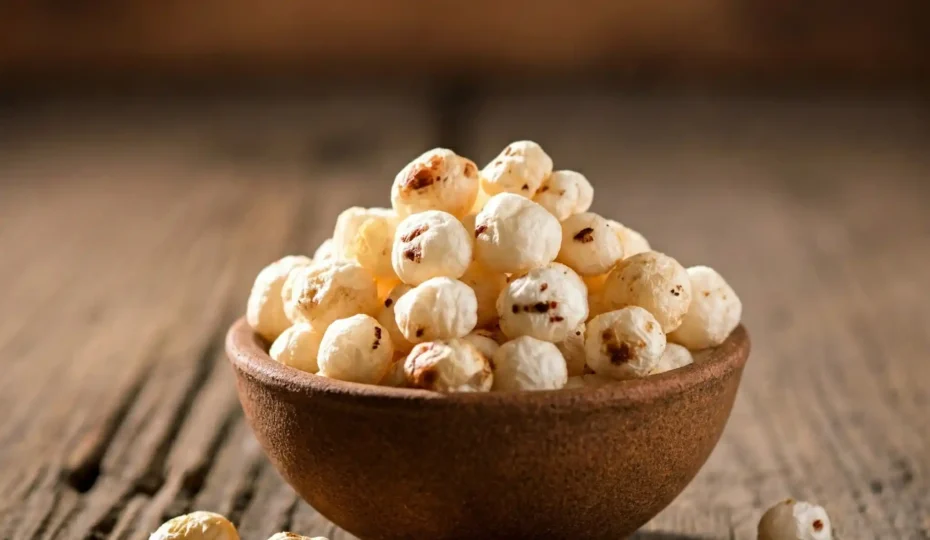
If you are looking for a snack that satisfies your crunch cravings without derailing your fitness goals, it’s time to talk about Makhana.
Commonly known as Fox Nuts, Lotus Seeds, or by its traditional name, Phool Makhana, this ancient seed has been a dietary staple in India and other parts of Asia for centuries, often associated with fasting and religious ceremonies. Now, makhana is experiencing a major renaissance, emerging as a global nutritional powerhouse.
But what exactly is it, and why should you always have a stash in your pantry? Let’s dive into the world of this incredibly nutritious, versatile, and satisfying superfood.
What is Makhana Exactly?
Despite its appearance when popped, makhana is not a form of corn or grain. They are the seeds of the Euryale ferox plant, a species of water lily that grows in stagnant fresh water, primarily in the Bihar region of India.
The process of turning these aquatic seeds into the fluffy white puffs we enjoy is labor-intensive and steeped in tradition:
- Harvesting: Workers dive deep to collect the mature seeds from the bottom of the ponds.
- Drying & Grading: The raw seeds are sun-dried and graded by size.
- Roasting: The dried seeds pass through heated kilns.
- Pounding: In a skilled process, the hot, roasted seeds are immediately pounded on a hard surface, causing the dark outer shell to burst off and reveal the snowy white puff—the ‘phool’ or flower.
This artisan process ensures no harsh chemicals are needed, keeping the product pure and natural.
Nutritional Breakdown: The “Guilt-Free” Punch
Makhana’s rising popularity stems from its incredible nutritional profile. Here is why it’s considered a superior choice compared to processed snacks like potato chips.
Nutritional Value (Approx. per 100g of dry makhana):
| Nutrient | Amount | Why it Matters |
| Calories | ~350 kcal | Low caloric density means you can eat more. |
| Protein | ~9.7 g | Vital for muscle recovery and feeling full. |
| Dietary Fiber | ~7.6 g | Promotes digestive health and blood sugar stability. |
| Carbohydrates | ~76.9 g | Provides a steady, lasting energy source. |
| Fat | <0.1 g | Practically fat-free in its raw state. |
| Key Minerals | Calcium, Magnesium, Potassium, Phosphorus, Iron | Supports bone density, heart function, muscle health, and oxygen transport. |
Makhana is also naturally Gluten-Free, making it suitable for those with wheat allergies or celiac disease. Its low sodium and low fat composition makes it an exceptional choice for heart health and managing hypertension.
Top Health Benefits of Including Makhana in Your Diet
1. Superior for Weight Management
Makhana is a game-changer for weight loss or maintenance. Because they are low in calories and high in both fiber and protein, a handful can satisfy hunger and prevent overeating. Their airy volume allows you to snack mindfully without consuming excessive calories.
2. Sustained Energy (Low Glycemic Index)
Unlike high-sugar or refined carbohydrate snacks that cause blood sugar spikes followed by a crash, makhana has a low Glycemic Index (GI). It releases glucose slowly into the bloodstream, providing sustained energy and helping to keep blood sugar levels steady—a benefit particularly valuable for managing diabetes.
3. Rich in Vital Minerals (Bones and Heart)
Makhana is packed with calcium, crucial for maintaining bone density and health. It also contains significant amounts of magnesium, which is essential for hundreds of biochemical reactions in the body, including maintaining a healthy heart rhythm and supporting nerve and muscle function.
4. Packed with Antioxidants
They are a great source of antioxidants, including flavonoids like kaempferol and quercetin, which help combat oxidative stress and inflammation, reducing the risk of chronic diseases.
A Healthier Snack: Ghee Roasted Makhana
To make the best use of these benefits, avoid pre-packaged, oil-fried varieties. The most authentic and nutritious way to eat them is to dry-roast them. This preserves their light crunch while avoiding unhealthy fats.
Our image shows perfectly roasted makhana, enhanced with traditional Indian spices like turmeric and black pepper.
The Gold Standard: Ghee and Turmeric Roasted Makhana
- Heat: Use a wide, heavy-bottomed pan.
- Fat: Add a small teaspoon of A2 Desi Ghee or Olive Oil (optional, can dry-roast as well).
- Crunch: Add makhana. Roast on low-to-medium heat for 5-8 minutes, stirring continuously, until they are exceptionally crunchy.
- Flavor: While the makhana is still warm, add a pinch of turmeric powder, freshly ground black pepper, and black salt (kala namak) or rock salt to taste. Toss well to coat.